

Joan Rivers was a vivacious, inspirational and amazing woman. I am missing her hard.
Joan Rivers was a vivacious, inspirational and amazing woman. I am missing her hard.
Recently, I saw a commercial for Always menstrual products where they asked a variety of male and mostly adult female subjects to imitate running and throwing “like a girl.” They all ran with arms flailing and threw as if they had jelly arms. When they asked young girls to do the same, they all ran and threw with gumption and purpose.
(See video below)
Yes, Always is a corporate company out to sell pads and they created this video to do just that by making women feel empowered. We’re here! We’re women! We get periods! We can throw balls! It’s a tricky mind game. But, having said that, it did what it set out to do by creating a great video that placed a magnifying glass over commonly used sayings such as, “runs like a girl” and “throws like a girl.” Given that nearly everyone had the same reaction to mimicking “a girl,” it’s safe to say that these sexist terms are completely embedded in American culture, and so much so that their meanings are culturally understood with no explanation.
Sexist language has so completely saturated our culture that it has become inherent without question in the daily dialogue of both men and women, starting with how we’re socialized from birth. When I was in grade school, a fellow female classmate and I were throwing balls and me, coming from a family who put zero importance on sports, couldn’t throw for shit, while this other girl seemed to have a natural knack for throwing a football. Over twenty years later now, I can still clearly recall her saying that she threw like a boy and my gut response even as a little girl was that it was ridiculous. By saying that she was more like a boy, she was better than me, a girl, and that part of her was better because it was more like a trait that is traditionally perceived as more male. Not only did she think she was better than girls, but there was a sense of shame in herself as a biologically born female, thinking that by being born a girl, she inherently could not throw a football.
This type of sexually exclusive language keeps women as second class citizens when spoken by men, and reinforced when spoken by women. Here are a few choice examples of “hidden” sexisms that may have seeped into your daily dialogue and need to be addressed and eliminated from our conversations:
You’re a Pussy. Here, the connotation is that you are acting like a woman, and the assumption is that women are inherently weak. Who has “pussies”? Being slang for vagina- obviously women. Arguably, when the word “pussy” is used as a derogatory term, I doubt is that someone is being accused of acting soft and cuddly like a kitty cat.
Fireman, Policeman, Mailman, Ballboy. (The ballboy is a shout-out to tennis season. I’d like to hear someone tell Martina Navratilova that she was only “hitting like a man.”) Using sexually exclusive language makes “he,” or men, the norm. Let’s face it, it starts with the basic fundamentals of most major world religions as God as “Him.” These texts have also been written by only men who felt it necessary to make a man, the image of themselves, not their wife, mothers or daughters, the “great equalizer.” I’ve heard disagreement about this, that man refers to all people, kind of like “actor.” If this is the case, then changing He to She as a “gender neutral” phrase would work, right? The solution to this is ending these exclusive words with the gender neutral suffix, person.
Like a Little Girl. Similar to throw like, this insult is thrown around ad nauseam, and literally means you are acting weak and whiny. Don’t think this is insulting? Have you ever heard “like a little boy”? Yeah, me neither, and as a librarian in a public building, I have seen little boys freak the fuck out and not one scream was dissimilar to the sound of a little girl’s cries.
He/She Has Some Balls. Being tough is synonymous with being a man, who presumably has testicles. Most of us have even seen the Sex and the City episode where Steve feels like less of a man after surviving testicular cancer and wants to buy the biggest fake balls that money can buy. Luckily, the phrase “that takes ovaries” has become increasingly popular, but I prefer the good old gender neutral, “spine.”
Some other choice phrases include: boys will be boys; man up; act like a man; he has some big balls, and so forth. To some, these may seem nit-pickey, but to a woman, whose credibility and existence on this earth are put into question with a single mindless utterance, there are volumes in the mindful, the carefully chosen turn-of-phrase that aids in neutralizing the sexisms in our daily discourse.
Feel free to add your own idioms in the comments below!
Happy Chicago Pride Day!

“I think the reward for conformity is that everyone likes you except yourself.”
Rita Mae Brown
Exploring Feminisms sat down with director Michael Glover Smith to discuss his forthcoming feature length film, Cool Apocalypse. This is Smith’s fourth film to date, ranging from a tobacco-slinging thief, a misguided folk singer, a cigar salesperson who stumbles onto a murder plot, to finally, a 24-hour tale that takes the viewer on a journey through the gamut of relationship ups and downs.
JM: Tell me, what is your new film about and how did you come up with the title, Cool Apocalypse?
MGS: The film is about the relationships between two 20-something couples: Paul and Julie meet and go on their first date, while Claudio and Tess, who’ve been together for years, finally break up for good. All of these characters interact with each other over the course of a single summer day in Chicago. It’s probably best categorized as a drama but I hope it’s also funny in a realistic way – the way that life can be funny.
“Cool apocalypse” was a phrase I had read a long time ago and I always wanted to use it as the title for something. I like it as an ironic juxtaposition of words: we think of an “apocalypse” as something that is very hot and loud and obvious, but “cool” implies the opposite of that: that it might happen with a whimper instead of a bang. When I came up with the idea for this film, I thought the title fit.
JM: Are we to assume the obvious, that the “cool” refers to the coming together of a couple, and the “apocalypse” is the breaking up? Or could it be read another way, that out of apocalyptic chaos comes calm, like the calm after a storm, and we are to assume that the break-up of the couple will allow for positive transformation?
MGS: As far as the title goes, however you want to interpret it is fine. It’s like coming up with the name of a band: ultimately, I just think it has a nice ring to it.
JM: Where did you get your inspiration for the script? Was it culled from memories of your 20s, or is it informed by your life now, in your upper 30s and expressed through 20 somethings?
MGS: It’s a combination of both of those things. All of the characters are amalgamations of different people that I’ve known in my 20s and 30s. I take aspects of people I’ve known (including myself, of course), and things that people I’ve known have said, and then spread them around among all of the characters. And then some things are just made up out of thin air. My philosophy is that if I feel like something fits, I’ll use it.
There’s a great French film from 1998, The Dreamlife of Angels, made by a guy named Erick Zonca. It was his first film — even though he was in his early 40s when he made it — and it’s about the friendship between two women in their early 20s. When I first saw it I thought, “This clearly represents a point-of-view on people in their 20s that was made by someone who’s older and wiser.” I hope that people have a similar reaction to my film — that they can sense that it wasn’t made by someone who is the same age as the characters. There have been a lot of low-budget indie films in recent years about “aimless twentysomethings” where the style and structure of the films also feel aimless. I want the style and structure of our movie to feel formal and elegant – but then also have spontaneous, naturalistic performances within that structure.
JM: It’s interesting that you’ve taken personal details from your friends and from your own life. I would think that it would help to make the experiences and dialogue more relatable, as opposed to it all merely being created out of thin air. Sometimes, I watch films directed by men and find myself screaming out, “this would never happen in real life!” especially when it comes to parts for women written and directed by men–obviously most often in movies with sex scenes.
By writing for characters who are twenty years younger though, does it risk feeling inauthentic due to the experiences/dialogue seeming incongruous to what a typical 20 something year old may have experienced, or does it hope to serve as a cautionary tale to 20 year olds- learning from the mistakes that others have made when they were their age? Who do you envision as your prospective audience for this film? Is it meant for people in their 20s specifically?
MGS: One of the things I tried hard to do in writing this script was to create interesting and realistic female characters. I think that the experience of being married and living with a woman for years has allowed me to be better at doing that. I don’t think, however, that the film risks being inauthentic just because the characters are younger than I am. As a filmmaker, I think I tend to be more interested in the aspects of relationships that are universal and timeless (rather than in, say, making pop culture references that might be specific to young people today) – so I hope that people of all ages will be able to relate to it. Having said that, I’m also looking forward to working very closely with the actors and allowing them some dramatic license with the dialogue. During auditions, for instance, I told one actress to put the dialogue in her own words. So instead of saying, “I really like your shoes,” she said, “Those are some sick-ass shoes.” What she said was way better than what I had written and so I consequently changed the line in the script.
JM: Do you think that actresses improvising their own lines, and again, the dialogue that you take from your own personal life, will help to make the characters more life-like and relatable, as opposed to the typical Hollywood drama or rom-com, a la Zooey Deschanel, Kate Hudson, and Kristen Wiig characters where they still fit so predictably into the same box?
MGS: Exactly. We’re going for the opposite of formula, the opposite of cliche. I hope that when people see my film they say, “These are the kind of people I know in real life but who I never see in the movies.”
Michael Smith (left) on the set of his last film, The Catastrophe
JM: I once heard you say that you have to separate the art from the artist (I believe we were discussing the homophobe who wrote Ender’s Game). Given that so much of the script is taken directly from your personal life, wouldn’t you say that in this case, the art cannot be separated from the artist?
MGS: Ha! Not really. In my opinion, this film will be successful if people see it and then, when it’s over, talk about what they think it says about the world. Ideally, viewers will leave the movie wanting to talk about people, emotions and relationships – not what they perceive to be the personality or the point-of-view of the author.
JM: But you can admit that the characters – their experiences and emotions – are manifestations of your own experiences, and therefore the POV of you, the director, is inherent throughout the film?
MGS: Yes, but I would say that the film is personal, not autobiographical. To me there is a crucial difference between those things. I’m not interested in making the kind of art that is like an extension of my diary.
JM: How does Cool Apocalypse differ from your other three films?
MGS: I think everything I’ve done before this was the work of an amateur. Before, I was making movies to learn how to make movies. Cool Apocalypse is the first film I’ve made where I feel like a professional. In particular, I’m very excited about collaborating closely with the actors this time. Even something as simple as having the actors improvise during the auditions – that’s not something I would have had the confidence to do before. But it’s something I now look forward to continuing with throughout the entire process of rehearsing and shooting this film. We are going to treat each scene like a little one-act play and just go over every little moment again and again until everything feels authentic.
JM: When can we expect to see this film on the big screen?
MGS: We finish shooting in late August and then we’ll work on post-production throughout the fall. I hope to have it ready for a film festival premiere in early 2015.
JM: Awesome, I can’t wait to see it! And who knows? Maybe we’ll have to do a He Said/She Said after it premieres…
Visit the Facebook page, or the website to follow the film and donate. Support Independent Film!
Wish You Were Here
Rita Mae Brown (1991)
This is the first in Rita Mae’s Mrs. Murphy mystery series, where a cat and dog can communicate amongst themselves, and help their human-mama, Mary “Harry” Haristeen solve murders in her small town of Crozet, Virginia. Yes, this can be considered a “cozy mystery” due to its lack of sex and any real violence, but who needs it when you’ve got a sassy divorced cat, an independent, hard-working post mistress and an author who in real life is a kick-ass lesbian who infuses her characters with what is obviously her personal brass and love for all creatures, great and small.

There’s More to Life Than This
Theresa Caputo (2013)
If you watch Long Island Medium on TLC, then you’re already picking up what she’s putting down. Likewise, if you think that LIM Theresa Caputo is a fake, then obviously this book is not intended for you. This writer is the former, and if you watch her show and consistently find yourself sobbing like you’re watching the end of Steel Magnolias during each episode, then you’ll love the book. It’s extremely well written, rounded-out and thorough. Even if you aren’t a believer in Theresa’s abilities to speak with spirits, angels and God, you have to give her respect for tackling subjects that may be seen as taboo, including abortion and reconciling her “gift” with being a Catholic. It’s one of those books that you read to experience, rather than get to the end, and it reminded me of The Dude and the Zen Master because it offers tangible lessons on how to interact with one another more kindly.

Drinking and Dating
Brandi Glanville (2014)
Drinking and Dating by Real Housewife of Beverly Hills Brandi Glanville may not stand the test of time in the annals of canonical dating tomes, but is a perfect example of a piece of pop culture that is here and now, and it’s completely entertaining. The book stations the reader as that proverbial fly on the wall and lets us see all of her sexual escapades. You can read this book several ways: you can get a kick out of her blatant enjoyment of sex, you can leave feeling bad about your own sex life, or you can let Brandi’s experiences empower you to get a little risque in your own bedroom–or top of your car.
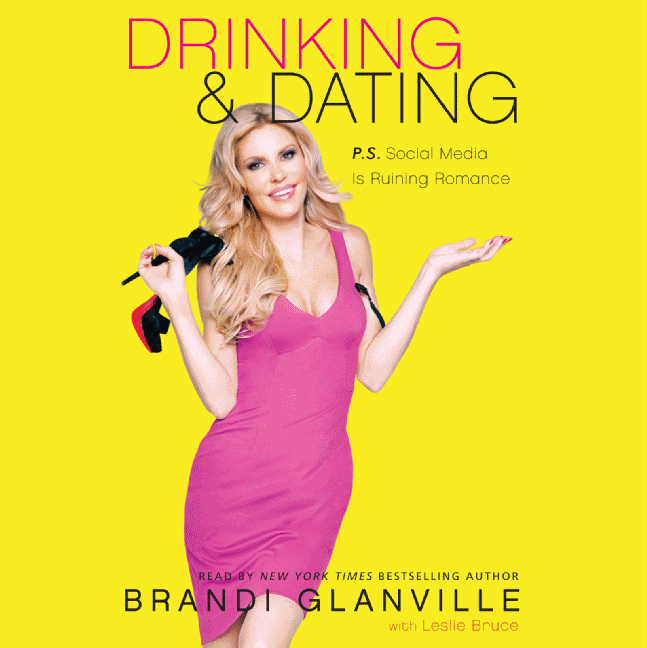
It’s audience is exclusively for fans of the Real Housewives franchise and when the Housewives have ended, most likely so will the popularity of this book. But, like spending lots of money on wine, or eating a delicious doughnut, some things you can just enjoy for the moment, knowing that they are fleeting. Such is Drinking and Dating.
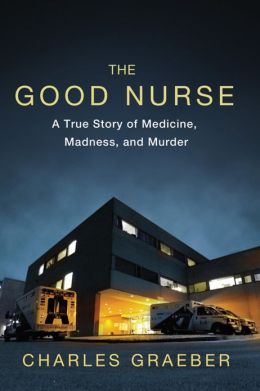
The Good Nurse
Charles Graeber (2013)
This is the unbelievable and completely shocking true story of Charles Cullen, ICU nurse who for over a decade (during the 1990s and 2000s) worked at a plethora of hospitals in New Jersey and on the east coast killing hundreds of patients. His method was quietly delving out lethal doses and improperly mixing medications. Throughout his spree, he was let go of at least five hospitals for suspicious patient deaths, and up until his final arrest was dubiously sent off with stellar references. Given the heinous nature of the story in and of itself, the author lets the facts do the talking while he organizes them in a cohesive manner, and narrates in a careful and respectful manner. It follows in the traditions of In Cold Blood, Helter Skelter and Manhunt where the author weaves a true story like a piece of fiction.
Anne of Green Gables
L.M. Montgomery (1908)
“The more things change, the more they stay the same” should be an alternate title for Anne of Green Gables, which was written over 100 years ago. The reason this book has stood the test of time is because Montgomery was able to extract the steadfast nuances of human nature, making it seem as though it could have been written yesterday.
Throughout the novel, Montgomery shines a light on gender inequality and via the actions, conversations and internal monologues of her characters she subverts gender roles during a time when it was definitely prohibitive. Some examples include Marilla Cuthbert (who adopts Anne) living with her brother as an unmarried woman; Anne discussing women’s suffrage in Prince Edward Island when women were decades away from the right to vote; Anne, educated, opinionated and chatty, puts her own education at the forefront of her focus instead of concentrating on men and getting married; and though debatable, one could possibly argue the plausibility of Matthew Cuthbert’s (homo)sexuality.

Pretty racy for 1908, huh?
Recently my girlfriend Sophie sent me a picture of what Buzz Feed thought were provocative pictures of “other” feminists, men and women who were gay and self-proclaimed feminists who were also anti-choice, protesting in Washington. One of the young women had perky little sign that stated that she was anti-choice and a feminist. My friend asked me via e-mail what I thought of this, and the kneejerk response at 10:00 at night and after two martinis was that she was a traitor. After sleeping on it, perhaps traitor was not the right word; maybe an ill representative is better. Different people have different feminisms and this was hers. But it got me thinking and I realized that just like so many religions, feminism was being used as a personal ideology to justify bogus behavior.
As she held up her sign, what that said to me (whose feminism regarding abortion is extremely cut and dry, pro-choice until the end) was that she was saying, whatever stances I take are legit because they are backed up by over 100 years of feminism. This is especially aggravating because then basically any person can and will slap the words “I’m a feminist” on whatever crap that they want. Congratulations to these girls for learning how to identify a concept, but to my pro-choice feminism, that doesn’t give them carte blanche to justify every action by leaning on the feminism crutch. Slapping a concept on any old idea is additionally dangerous because those who may not always utilize critical thinking skills believe it to be the final word. But she’s a feminist. It’s like when an ex once said years ago that he read, “feminism was dead,” and said, “well it’s true, a feminist said it!”
And let’s be honest here and call a spade a spade—these anti-choice people are crazy, regardless of what other names they assign themselves. If they weren’t crazy, they wouldn’t be protesting in front of health centers but instead changing legislation to improve sex education and birth control availability to women and men of any economic status.
Obviously, this girl’s feminism is to tell other women how to live their lives and what to do with their bodies, and that is completely antithetical to the history, the spirit and well, even the definition of feminism. But, we’ve seen this all before; during women’s suffrage in the U.S., some women protested against their own impending right to vote, and women like this just serve as a reminder that there will always be women who astonishingly advocate patriarchy. The upside to this tangled mess is that they serve to remind us to fortify our own beliefs in the fight for social, sexual, racial, and economic equality.
Exploring Feminisms is officially four years old today, and this wouldn’t be possible without the support of my amazing family, friends and readers. Thank you for exploring your feminisms with me, and hopefully you discovered a little bit more about how you look at the world. I know that with your comments and input, I have learned volumes about myself.
Jill at Exploring Feminisms
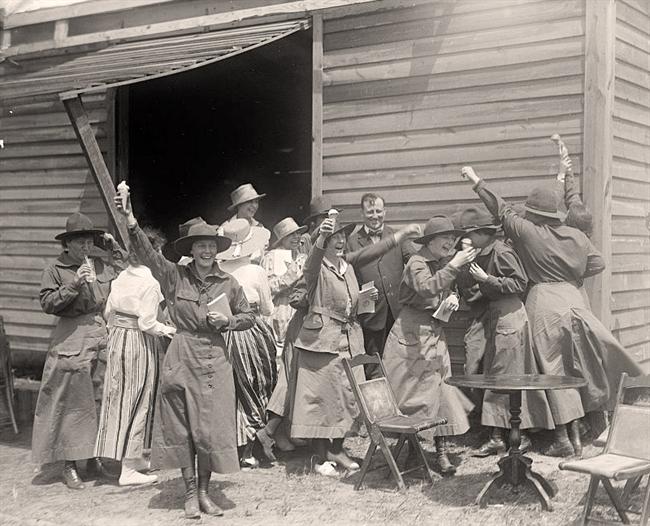
It may seem unusual that not every book on Exploring Feminisms’ top 10 list of 2013 was published in 2013, but some are just so timelessly fantastic that they deserve to be kept on our socially conscious radar.
1. Rubyfruit Jungle
Rita Mae Brown (1973)
2013 is Rubyfruit Jungle’s 30 year publishing anniversary and because it’s just so damn good, it makes #1. While reading Rubyfruit Jungle, I couldn’t help but think of the 19th century novel The Awakening by Kate Chopin: down to earth, subversive-by-nature female lead characters who challenge social norms in times where women received the short end of the stick (even more than now, one could argue). RJ details the life of Molly Bolt as a child in the south through young adulthood as she moves to New York, and we follow her journey as a blossoming lesbian. She is a rough and tumble character, and the book is filled with hilarious and brutally honest thoughts on womanhood, the life of a wife, and lesbian stereotypes. Completely entertaining and thought-provoking.
2. The Dude and the Zen Master
Jeff Bridges and Bernie Glassman (2013)
The true testament to any great piece of art is its permeability and stickiness-does it get it and stay in? Having read The Dude and the Zen Master in June of 2013 and even in the swirling catalog of my own brain, I still often think back to the novel-long conversation between actor Jeff Bridges and Jewish Zen Master, Bernie Glassman, where they discuss the art of living a more meaningful life. There are times when I feel Sartre’s timeless words, “hell is other people,” were written just to describe my plight in life, and it is especially during those times that I can easily manifest the Dude’s Zen teachings. The manner in which the authors communicate coping mechanisms has saturated so thoroughly that I often find myself imagining my many enemies in clown noses, leaving the often imagined assaults on my character disarmed.
3. No Kidding: Women Writers on Bypassing Parenthood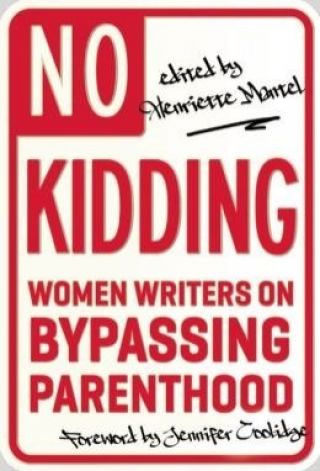
ed. Henriette Mantel (2013)
It takes a lot of gumption for a woman to make the conscious choice to not have children, especially in a world where childless women continue to be looked upon with suspicion. The writers in this collection consist of a group of women with diverse life experiences, all of which have shaped their views on “bypassing” biological motherhood. They share their varied stories as to why they chose, or life chose for them, not to have children. Because of the plethora of viewpoints, the reader really gets the full gamut of opinions, thereby neither damning nor exalting child rearing. This book wouldn’t be called food for thought, but rather feast for the heart. No Kidding is filled with comedy, tragedy, wit and even some schadenfreude to keep you on your toes.
4. If It’s Not One Thing, It’s Your Mother
Julia Sweeney (2013)
Being a parent only to two cats and not an actual human baby, there was some hesitation to pick up this book. Reading a lecture about how wonderful parenting is and those adorable trials and tribulations of raising a child and how those without children couldn’t possibly even begin to understand…it just didn’t seem appealing.
Luckily, this book isn’t about any of that. What this book is about is insight and the threads that connect us all by inevitable shared life experiences. We all have families who actually annoy us; we date, we break up; we knit actual and proverbial sweaters as proof of our love; we face stereotypes, either our own or others; we eat cupcakes or candy bars and then feel eater’s remorse, thus perpetuating the cycle of how no one will ever love us because we are fat and ugly, et al. Sweeney, by describing what is probably a sprinkling of her major life moments, has an amazing gift to pull out the teensiest emotion or observation and tease it out into something that we can all recognize as being personal in our own lives. I often found myself stopping and thinking, “That’s how I feel! How come I’ve never thought about that?” Plus, the appeal of this book could be attractive to many audiences. Have a kid? Bam! This book is for you. Have a mother? Bam! This book is for you. Are you a sentient being? Bam! This book is for you.
5. Gulp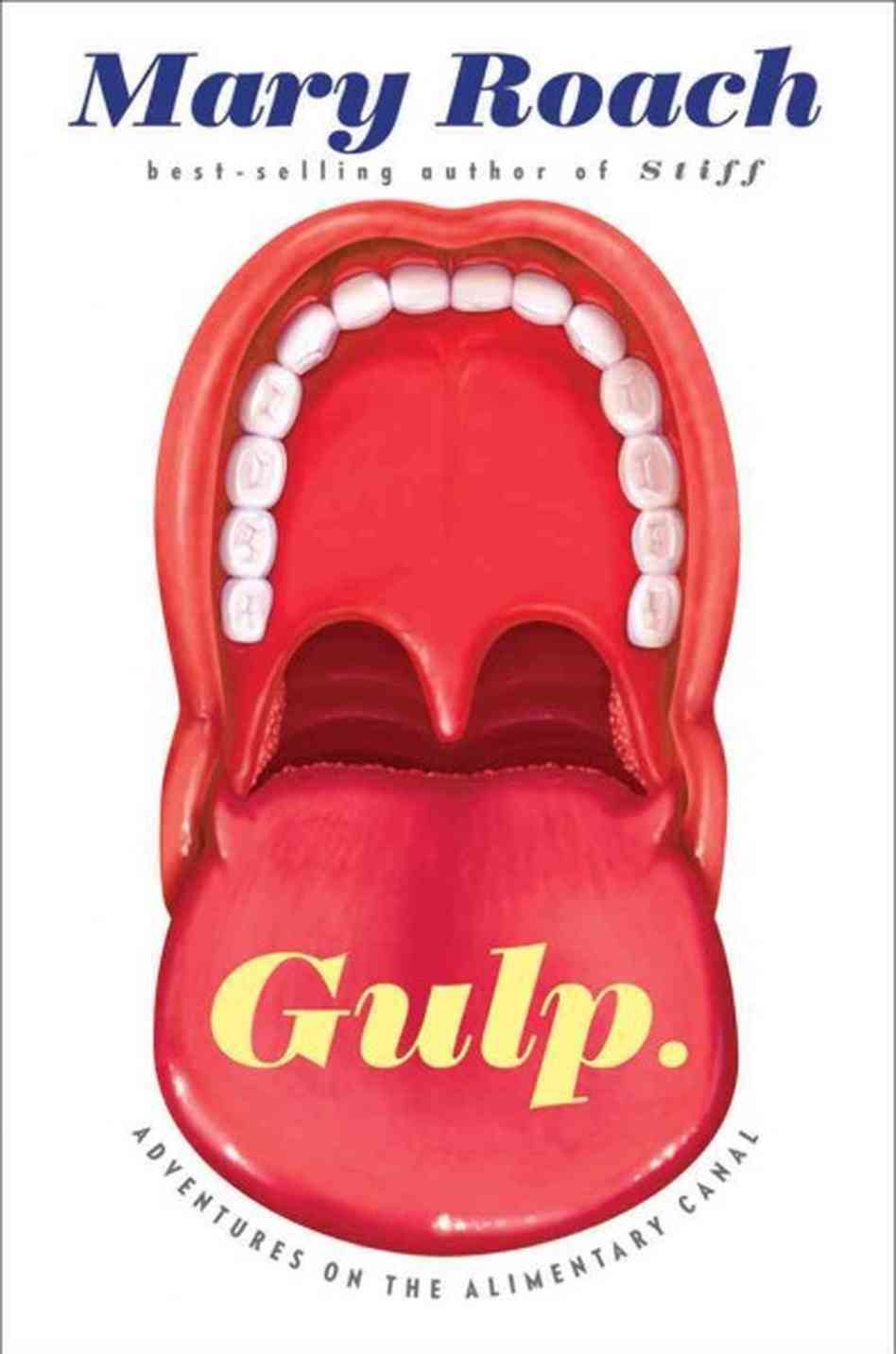
Mary Roach (2013)
Gulp is about the digestive system, from start (mouth) to finish (guts, and then you can guess). Why would you want to read about the digestive system, you may ask? Because she goes in deep: smelling and tasting what we cringe to even read about and relates it back with humor and tact. In essence, she skins herself for us, the reader, by diving into the world of cat food sampling, Elvis’ mega colon and a thoroughly gripping description of the nose/tongue connection. Roach chooses a topic, researches it, and pulls out the most interesting parts; in essence, she does the dirty work for us, while keeping the gross-out factor completely classy.
6. Jacob’s Folly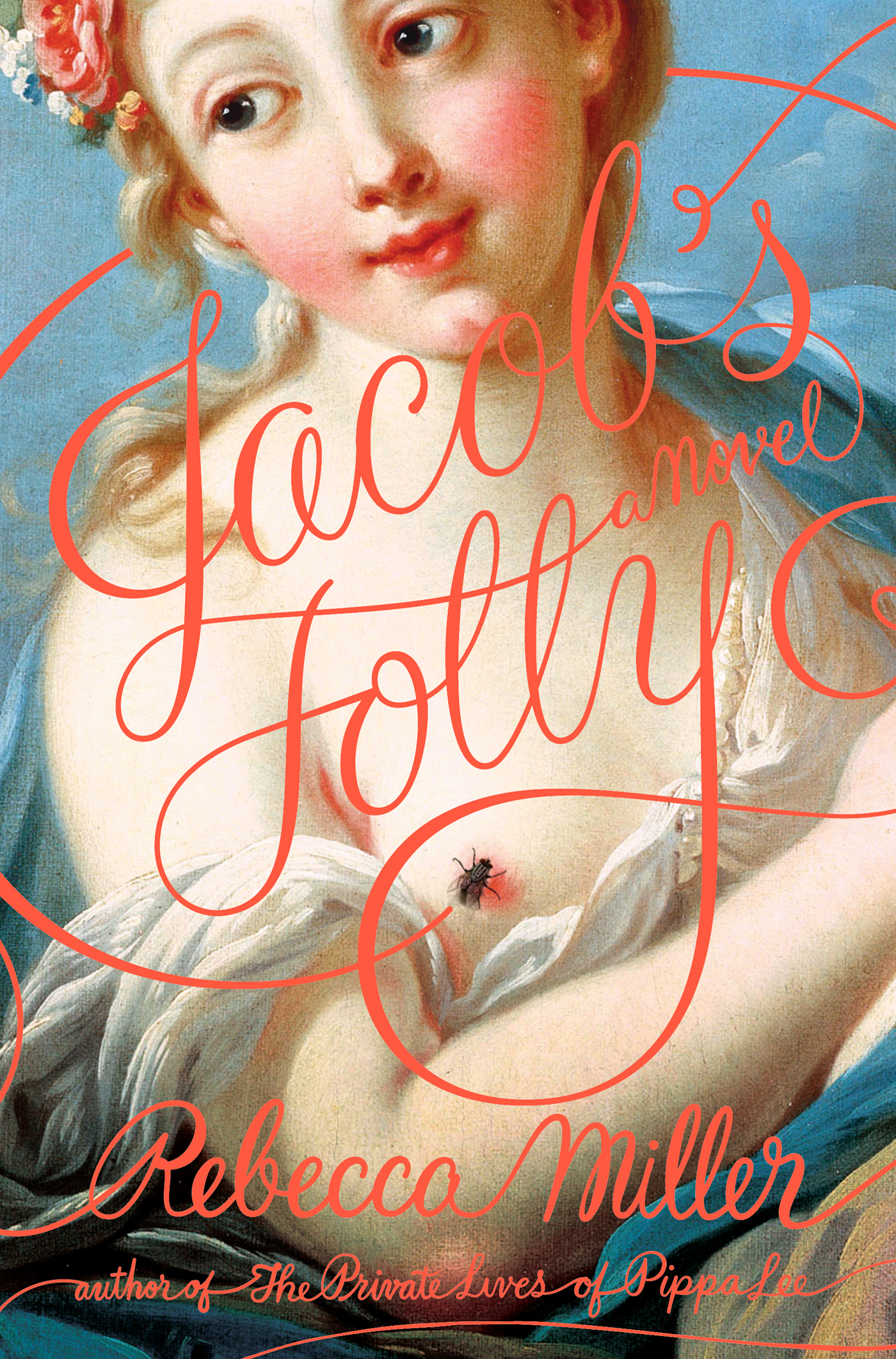
Rebecca Miller (2013)
The premise of Rebecca Miller’s third book is truly original: a Hasidic Jew, born in the 1700s, is reincarnated as a fly in current day America who has the power to control the minds of humans. The story see-saws between his current day observations in the U.S. as a winged insect and his life as an 18th century Parisian. Miller, who has in the past done a magnificent job of writing and directing from varied female perspectives, takes a stab at writing from the male perspective. Her observations from the masculine gender’s point of view are entertaining, tawdry, and scintillating, thereby ever-changing your feelings towards the narrator. While reading, I was sometimes appalled by the hyper-sexualized inner-workings of the main character, and as many of my male friends have informed me, her insight in the male psyche is not so far off, which is both engaging and gross.
In all, JF is a fun book with an amusing storyline that paints some interesting portraits of Hasidic communities, 18th century Europe, and of what many men are usually thinking. Excuse me as I reach for a full body condom.
7. It’s Not Really About the Hair: The Honest Truth About Life, Love and the Business of Beauty
Tabatha Coffey (2011)
I really don’t like to accept advice from those who haven’t been through some shit in life, and Tabatha Coffey, she’s been through some shit. She grew up in Australian strip clubs worked by transgender dancers, her father left her and her mother in the most heinous manner, she was an overweight child who endured the torture that only other children can deal out, and like many of our gay and lesbian brothers and sisters, had to endure a little piece of hell while coming out to her family. Given all of this, she’s surfaced on the other end as a successful business woman who has a firm grasp on what she wants and who she is. Much like Julia Sweeney’s book, Coffey has taken a fine tooth comb to her life and has given us a guide on how to empower ourselves so that we can live a more authentic life.
8. Woman Rebel: The Margaret Sanger Story
Peter Bagge (2013)
With my formal Women’s and Gender Studies lessons years behind, I find it necessary to take additional strides to keep feminist fundamentals close at hand, especially if my work or home environment may be somewhat lacking from time to time. Woman Rebel: The Margaret Sanger Story is an amusing graphic novel that highlights the more monumental and even titillating details of the life of the Planned Parenthood founder. Thanks to writer and illustrator Peter Bagge, Sanger is presented to us as a real person, though in graphic novel form, by illustrating (pun intended) such enumerations as her famous sexual escapades, to her more unflattering personality prejudices. In turn, we are reminded that extraordinary people who accomplish extraordinary feats often embody a sliver of the ordinary, sometimes making our own extraordinary feats seem tangible after all.
9. The Last Girlfriend on Earth
Simon Rich (2013)
It’s so rare that one comes across a book that can only be described as truly original, and after reading a plethora of books over the past year, The Last Girlfriend on Earth remains steadfast as one of the most original books that I’ve read. It’s short stories are sweet, simple, surprising, and don’t take themselves too seriously, which is especially refreshing in a world where many authors neglect to relate any sort of elasticity and fun. I mean really, what other books have you read lately that make you sympathize with a sad condom?
10. Ocean at the End of the Lane
Neil Gaiman (2013)
 Neil Gaiman is a man who communicates his respect for women through his stories, and in this case, by dreaming up a cosmically strong lineage of three women (grandmother, mother and daughter) whose bond with each other spans time and space. The three woman, along with a little English boy, fight an evil witch-woman in a small English town. This book is beautifully written, a quick read and a great primer for any Gaiman novices.
…and Happy Holidays to all!
It’s Not Really About the Hair: The Honest Truth about Life, Love, and the Business of Beauty
by Tabatha Coffey
There are few modern day Bibles that are published today, one of them being Tim Gunn’s book, Gunn’s Golden Rules, and hairdresser, entrepreneur, TV celebrity, and really, goddess, Tabatha Coffey’s book earns a way onto the bookshelf, next Mr. Gunn’s. Tabatha’s insight into personal growth, loving others and yourself is truly insightful. Yes, she is a television personality and a celebrity, but unlike so many celebrities today who earn their stardom through their family lineage or their plump posteriors, Coffey has earned her recognition because she is full of sass and moxie, makes pragmatic life decisions and truly respects herself. Her philosophy is honest, down to earth, and she preaches complete self-acceptance. True, easier said than done, but she has the amazing gift to make it seem as if she’s holding your hand throughout the book, encouraging you to live an authentic life.
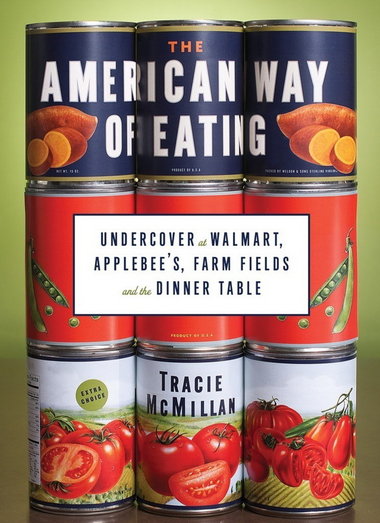
The American Way of Eating
by Tracie McMillan
Journalist McMillan goes undercover from west to east as she picks produce with Latino (il)legal immigrants, works at a Walmart in Detroit, and finally an Applebee’s in New York to see where our food comes from, and how it is disseminated to the public at places whose mission is to deliver mass amounts at a low cost. What she experiences is truly eye opening; whether you are pro or con immigration, what she hears and sees firsthand regarding how immigrant workers are treated, i.e. dying from heat exposure from picking Charles Shaw aka “Two Buck Chuck” grapes, can’t help but make you feel a little queasy buying garlic from the grocery store. Her undercover examination of where our food comes from, how it is harvested, and the costs to those who are on the front lines makes you question everything that you put in your mouth.
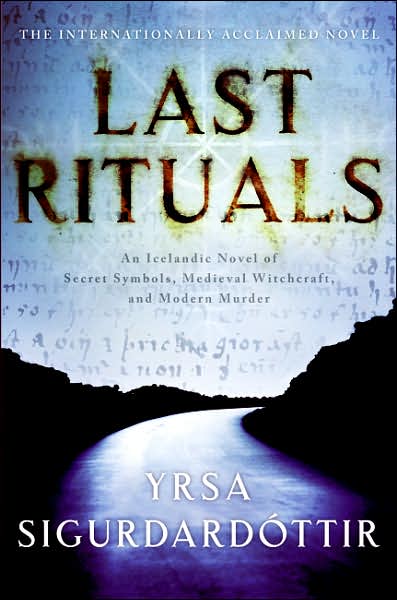
Last Rituals
by Yrsa Sigurðardóttir
Last Rituals is the first in a series by Icelandic writer Sigurðardóttir that pulls together mystery, witchcraft, and a little bit of lovin’. Main character, Thora Gudmundsdóttir, is single-mother and lawyer turned amateur private investigator with two children who has been created by Sigurðardóttir with restraint and wit. If you’ve ever been to Iceland or its capitol Reykjavik, you’ll be transported back to the chilly country as you walk the streets with Thora as she investigates murder and explores the world of Icelandic witchcraft and folklore.
Manhunt: the 12 Day Hunt for Lincoln’s Killer
by James L. Swanson
Let me begin by saying that I completely abhor dates, facts and especially, lineage. Not only do my eyes glaze over with boredom, but the thought of reading a book filled with all of these makes the thought of cleaning my toilet seem really attractive.
However, thanks to James J. Swanson’s fresh writing style, we are saved from rubber-gloved servitude this time. Swanson gives us dates, times, historical detail and characters, but does it in a way that is written more like fiction. And though everything in the book is 100% fact, he details what the killers most likely saw, felt and smelled. He describes relationships and friendships, disagreements and love all with such candid detail that it feels as if you are living the story firsthand.

No Kidding: Women Writers on Bypassing Parenthood
edited by Henriette Mantel
A group of women with diverse experiences share their varied stories as to why they chose, or life chose for them, not to have children. This book wouldn’t be called food for thought, but rather feast for the heart. Filled with comedy, tragedy, wit and even some schadenfreude, this book left me completely satisfied from beginning to end. The real tragedy about this book is not that all of these women haven’t had children, but that most of them have left us with a lack of further writing to latch onto now that the book is over.
 Exploring Feminisms